A1 Hamilton Locksmiths Service Team
Local locksmith team
Oct 25, 2026 9 min read
Managing rental properties in Hamilton comes with a long list of responsibilities — and one that often gets overlooked until something goes wrong is lock security. Whether you own a duplex on Concession Street, a student rental near McMaster, or a multi-unit building in the lower city, every time a tenant moves out, your property's security is only as strong as your key control. The wrong lock choice — or no rekeying plan at all — can leave your unit vulnerable to unauthorized entry, tenant disputes, and potential liability.
This guide is written specifically for Hamilton landlords who want practical, no-nonsense advice on lock types, Ontario tenant turnover obligations, and when to bring in a professional. We'll cover everything from heavy-duty mortise locks to basic door knob locks, so you can make informed decisions for every door on your property.
## Why Lock Security Is a Landlord Problem, Not Just a Tenant Problem
When a tenancy ends, Ontario's Residential Tenancies Act does not explicitly require landlords to rekey between occupants — but the liability picture tells a different story. If a former tenant retained a copy of a key and re-entered the unit, causing damage or making another tenant feel unsafe, you as the property owner are in a difficult position. Courts and tribunals have increasingly recognized that landlords bear a duty of care around access security. The practical answer is a documented rekeying or lock change policy that runs automatically at every turnover — no exceptions.
Key control is also about protecting yourself from false claims. If a new tenant moves in and reports a break-in during the first week, your ability to show that the locks were professionally changed between occupancies is your clearest defense. Keeping records from a professional locksmith visit — date, unit address, work performed — is simple insurance that costs very little and proves a great deal.
## Mortise Lock vs. Door Knob Lock: Which Is Right for Your Rental?
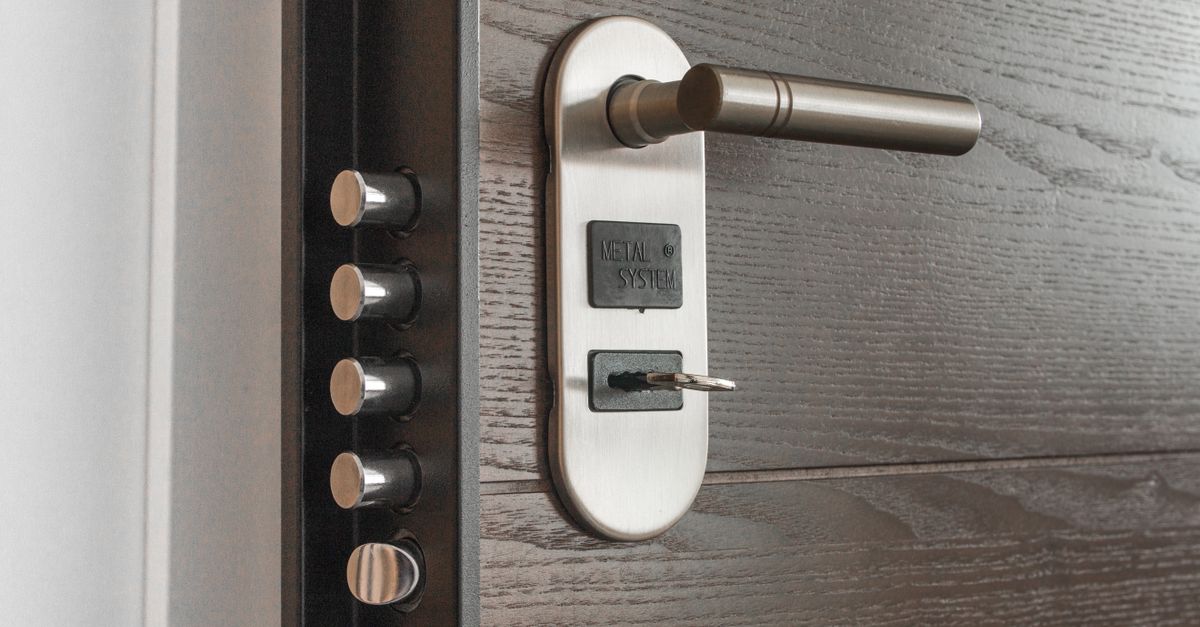
The single biggest upgrade most Hamilton rental properties can make is replacing aging cylindrical door knob locks with mortise locks on primary entry doors. A mortise lock is installed inside a deep rectangular pocket cut into the door edge, combining a deadbolt and a latch mechanism in one solid unit. Because the lock body itself is embedded in the door rather than surface-mounted, it is dramatically more resistant to kick-in attacks and forced entry — a real-world concern for ground-floor units in higher-density neighbourhoods. For landlords managing properties near Barton Street, Ottawa Street, or King Street East, this extra layer of physical strength is a practical investment, not just a premium upgrade.
Door knob locks still have a place in rental properties — typically on interior doors, storage rooms, or secondary access points where a full mortise lock would be over-specified. On front doors and rear entry points, however, a quality mortise lock paired with a solid Grade 1 deadbolt (brands like Schlage offer strong residential and light commercial options) is the standard a professional locksmith would recommend. If your current rental doors still rely on a basic door knob lock as the primary security, that is the first conversation worth having with our team.
## Managing Tenant Turnover: A Practical Rekeying Checklist
Rekeying is the most cost-effective security reset between tenants. Rather than replacing the entire lock hardware, a locksmith resets the internal pin configuration so that all previous keys no longer work — only the new keys cut to the fresh configuration will operate the lock. For landlords with multiple units, this means you can maintain the same quality hardware for years while rotating key access cleanly at every turnover. The factors that determine your final quote for a rekeying visit include the number of locks being serviced, the lock types installed (a standard cylindrical lock rekeys differently than a mortise lock), travel distance to your property within the Hamilton area, and whether the work is scheduled in advance or requested as part of an emergency locksmith call after hours. We always confirm an exact up-front price before any work begins — no surprises on the invoice.
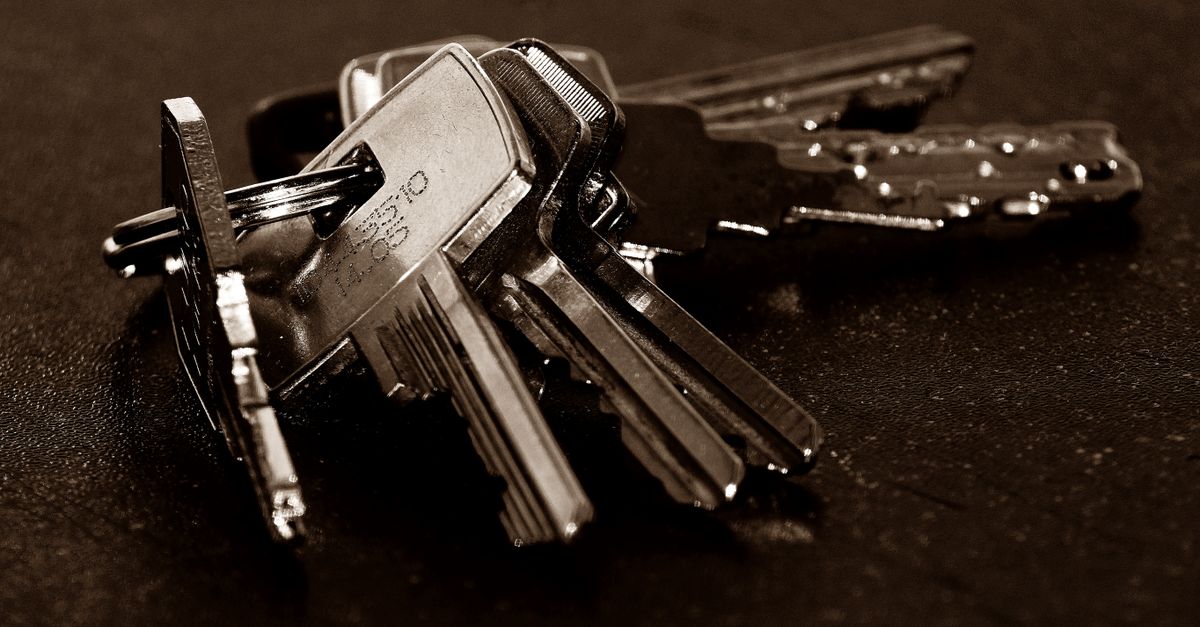
Here is a straightforward checklist to run at every tenant changeover: First, schedule a rekeying appointment before the new tenant takes possession, not after. Second, collect all copies of keys from the departing tenant — including any copies they may have made — and document the handover in writing. Third, if the property has a mail slot, storage locker, laundry room, or shared entrance on a keyed lock, include those in the rekeying scope. Fourth, photograph the door hardware condition at move-out and move-in. Fifth, provide your new tenant with only the number of keys you have documented and retain one verified copy yourself in a secure location. If you manage more than three or four units, calling us to set up a recurring service relationship means you have a professional contact who already knows your hardware on file — making each future visit faster and simpler.
## Commercial Landlord Needs: Master Key Systems and High-Security Options
Landlords operating commercial rental spaces — retail units on James Street North, warehouse bays in the Hamilton industrial corridor, or mixed-use buildings downtown — have access control needs that go well beyond a single rekeying. A master key system allows a property owner or building manager to open any unit with one key, while each tenant's individual key operates only their own space. A skilled commercial locksmith can design and install a master key hierarchy that scales as your property portfolio grows, without compromising the independence of each tenant's lock. This is one of the most practical investments a commercial landlord can make, and it eliminates the chaos of managing dozens of individual key sets across a busy building.
High-security mortise lock cylinders, restricted keyways, and electronic access systems are also options worth discussing for commercial properties. Restricted keyways mean keys cannot be duplicated at a standard hardware store — every copy must be made through your locksmith, giving you genuine key control. Electronic locks add an audit trail, showing which credential was used to open a door and when — particularly useful for shared spaces or properties with high staff turnover. Our team works with Hamilton commercial landlords on everything from basic rekeying programs to full access control system design. If you are unsure where your property currently sits on the security spectrum, call (289) 806-7912 and we can walk you through an honest assessment.
## When Lockouts and Emergencies Happen at Your Rental Property
Even with the best preparation, emergencies happen. A tenant locks themselves out at midnight. A lock seizes after a cold Hamilton winter night. A break-in damages a door frame and the lock needs replacing before the unit is safe to occupy again. In all of these situations, having access to a 24/7 emergency locksmith who already knows Hamilton's streets is a genuine operational advantage for any landlord. As a property owner, you may also face situations where you need legitimate access to a unit — for emergency repairs, fire or flood response, or after an abandoned tenancy — and doing that correctly under Ontario law matters. Our team can assist with verified, lawful access situations and will always confirm ownership or authorization before proceeding.
When a lock is damaged after a break-in, a straightforward rekey is no longer sufficient — the hardware itself needs to be assessed and often replaced. This is a situation where the right call is a mortise lock installation on the affected door, since a forced-entry event often reveals that the original hardware was under-specified. The final quote for emergency work factors in the time of the call, the condition of the existing door and frame, the lock grade being installed, and any parts required. We stock a range of quality hardware on our mobile units so that most jobs can be completed in a single visit, day or night. Landlords managing multiple Hamilton properties are welcome to call (289) 806-7912 to discuss setting up a priority service arrangement — we answer 24/7 and can be on-site quickly across Hamilton, Stoney Creek, Ancaster, Dundas, and the surrounding area.
Frequently asked questions
Am I legally required to change the locks between tenants in Ontario?+
Ontario's Residential Tenancies Act does not explicitly mandate a lock change between tenancies, but it does require landlords to maintain rental units in a safe and secure condition. Many legal advisors and property management professionals interpret this to include a rekeying or lock change at turnover, particularly given the duty of care landlords owe incoming tenants. Beyond legal minimums, documented rekeying is your clearest practical protection against unauthorized access claims and tenant disputes. We recommend making it a standard, non-negotiable part of your turnover process.
What is the difference between rekeying and replacing a lock, and which do I need?+
Rekeying means a locksmith reconfigures the internal pin tumblers inside your existing lock cylinder so that old keys no longer work. It is the right choice when the hardware itself is in good condition and you simply need to rotate key access between tenants. Lock replacement means removing the existing hardware entirely and installing a new lock — this is the better option when the hardware is worn, damaged, or an older low-grade lock that does not meet modern security expectations. For many Hamilton rental properties with aging door knob locks on primary entry doors, we often recommend upgrading to a mortise lock at replacement time, since the security improvement is significant and the hardware lasts considerably longer.
Can I install a master key system if I only own a small number of rental units?+
Absolutely — master key systems are not only for large apartment buildings. Even a duplex or triplex benefits from a properly designed master key setup, allowing you as the owner to access all units with one key while each tenant has a key that works only for their own door. A professional locksmith will map out the key hierarchy before any hardware is ordered, so the system is set up correctly from the start and can be expanded if you add more units later. Trying to retrofit a master system onto hardware that was not specified for it rarely works well, so it is worth doing correctly the first time.
What should I do if a tenant reports a lockout or a broken lock at my rental property after hours?+
For a tenant lockout, your first step is to confirm that the tenant has no spare key and has genuinely exhausted straightforward options — checking windows, contacting a co-tenant, or locating a spare you may have provided. Once you have confirmed a genuine lockout, calling a 24/7 emergency locksmith is the appropriate next step. As the property owner, you can authorize the locksmith to assist your tenant directly. For a broken or damaged lock, treat it as an urgent repair obligation under Ontario law — a non-functioning lock is a security and habitability issue that should not wait until business hours. A1 Hamilton Locksmiths operates around the clock for exactly these situations. Call (289) 806-7912 and we will dispatch promptly, confirm an up-front price before starting, and have your property secured as quickly as possible.